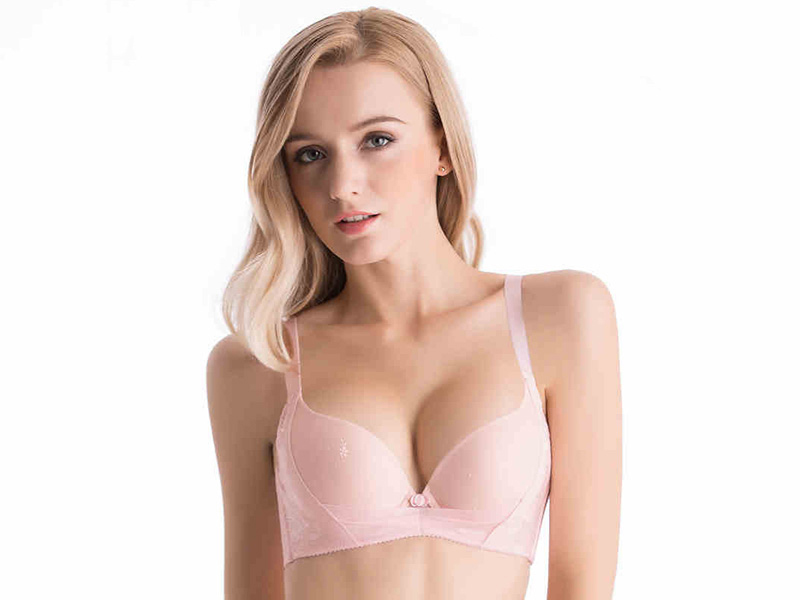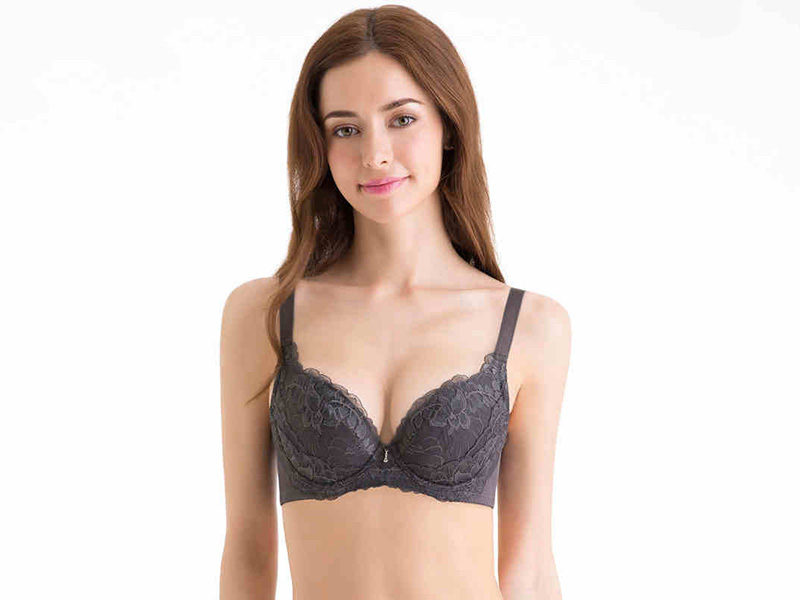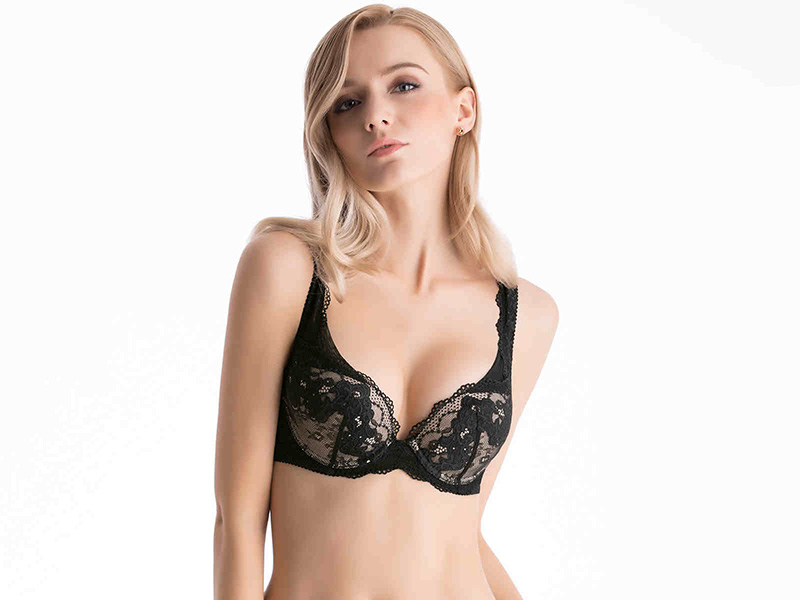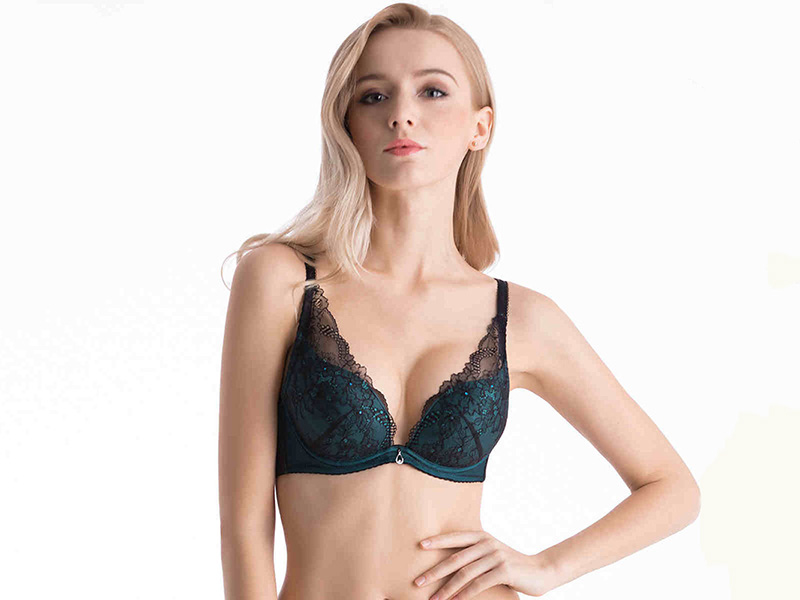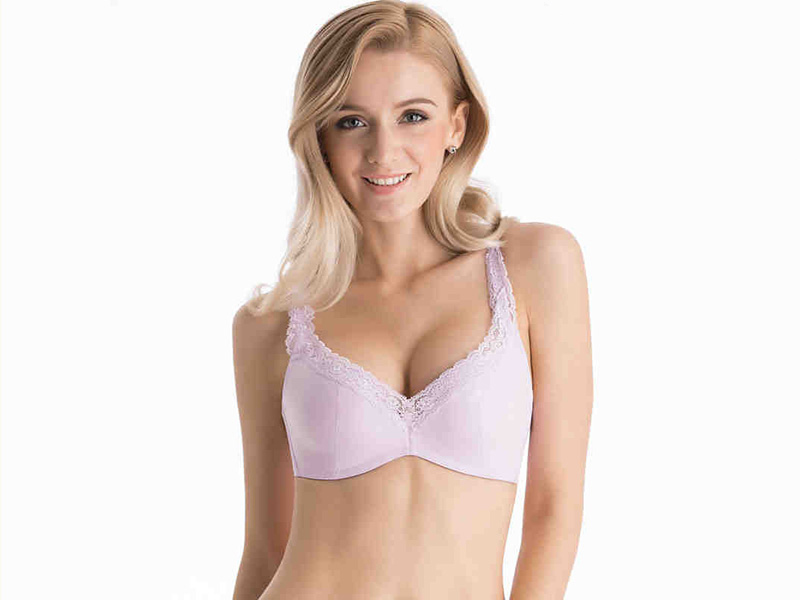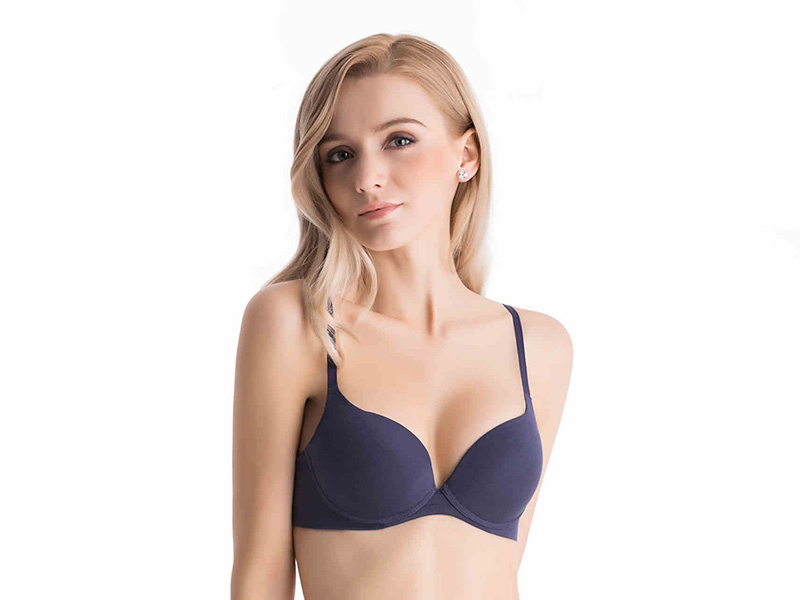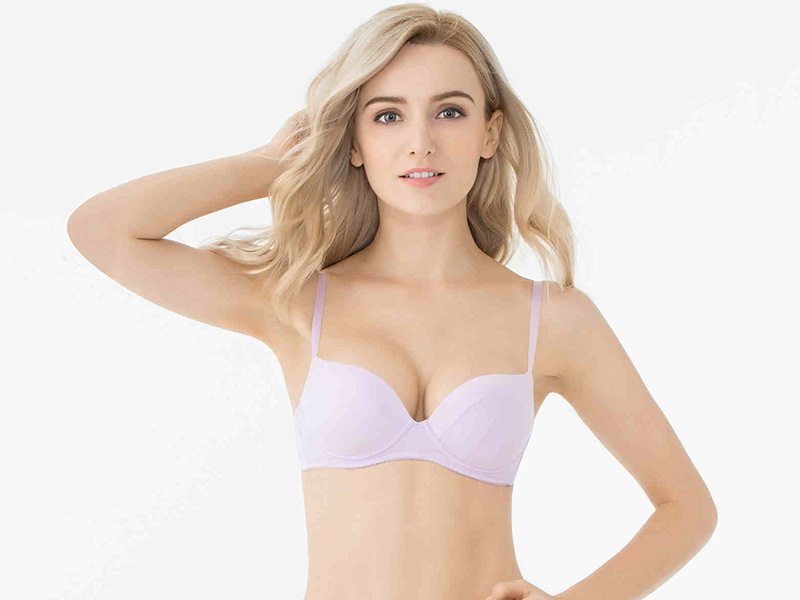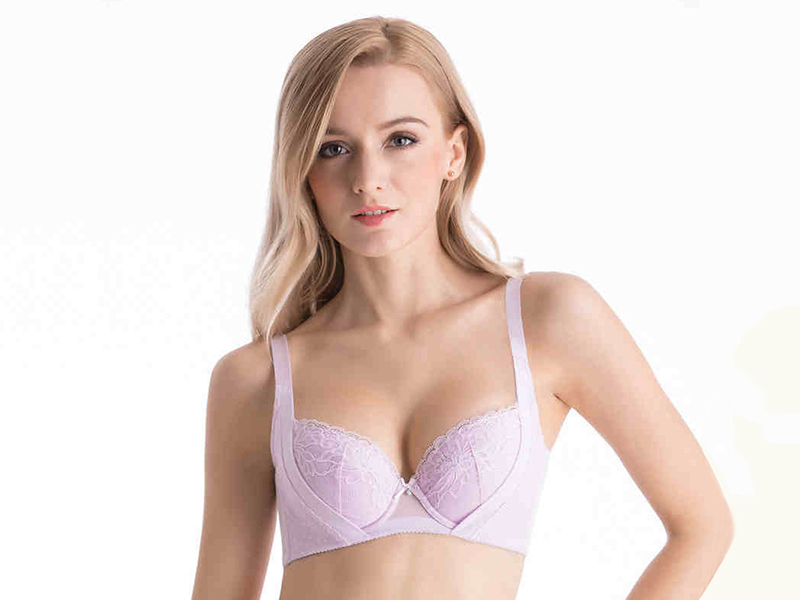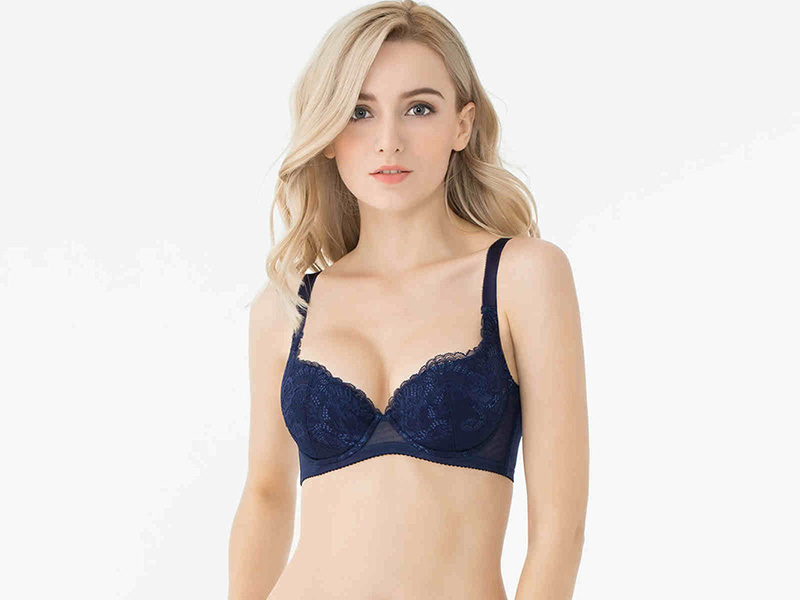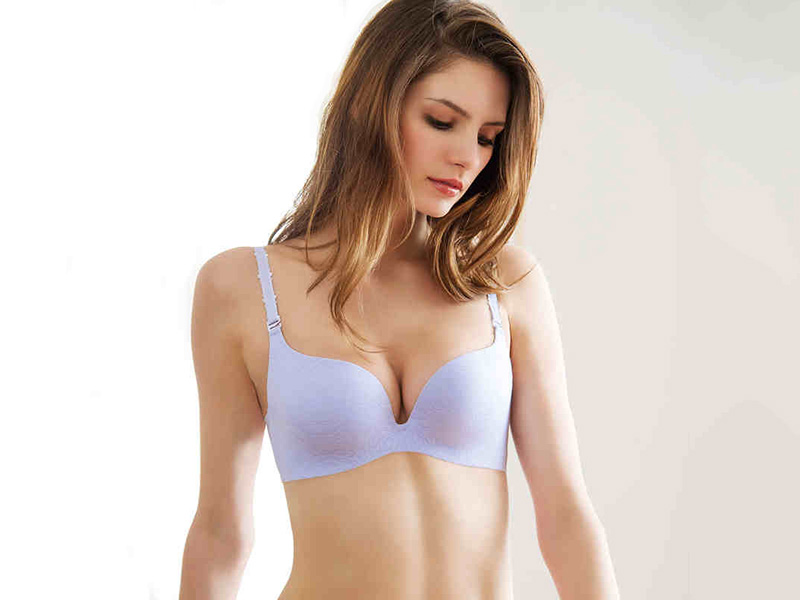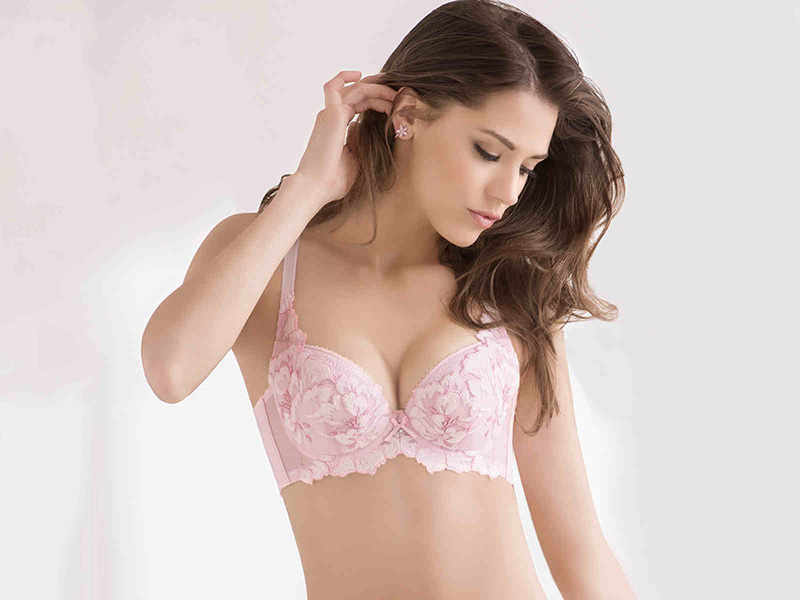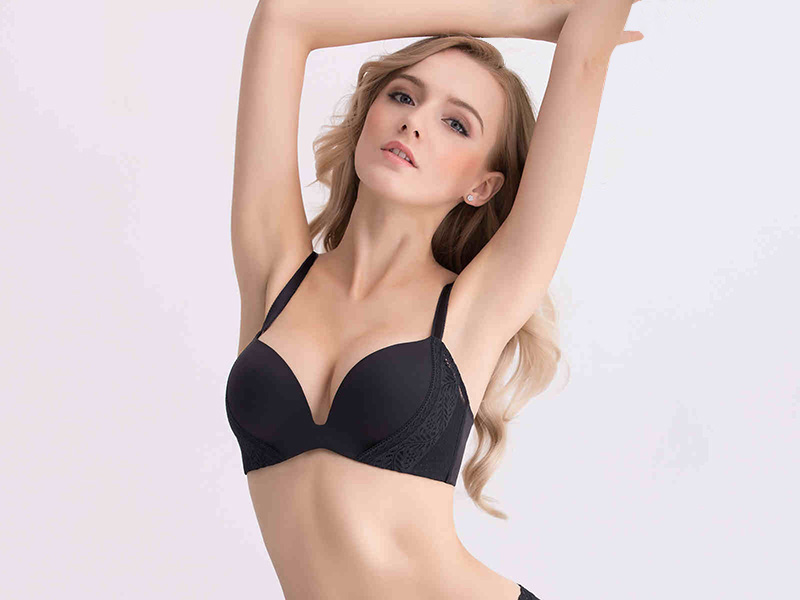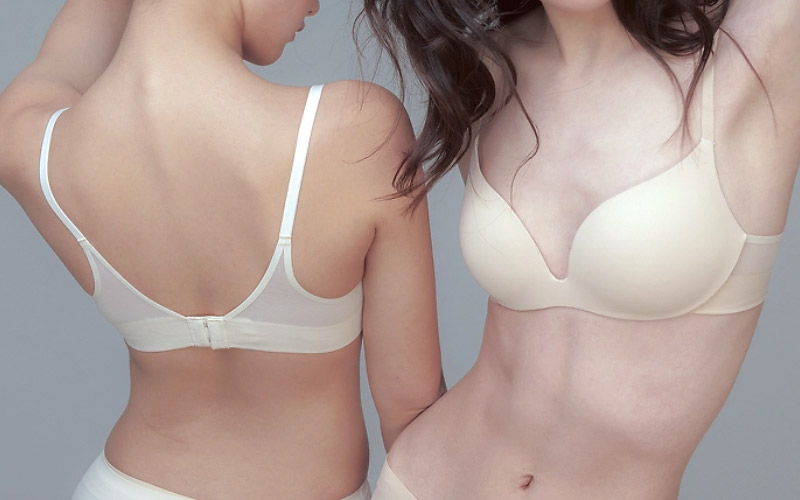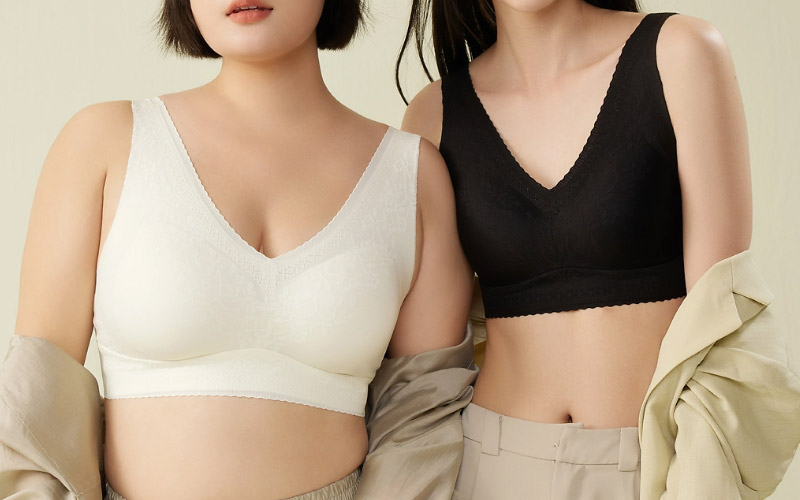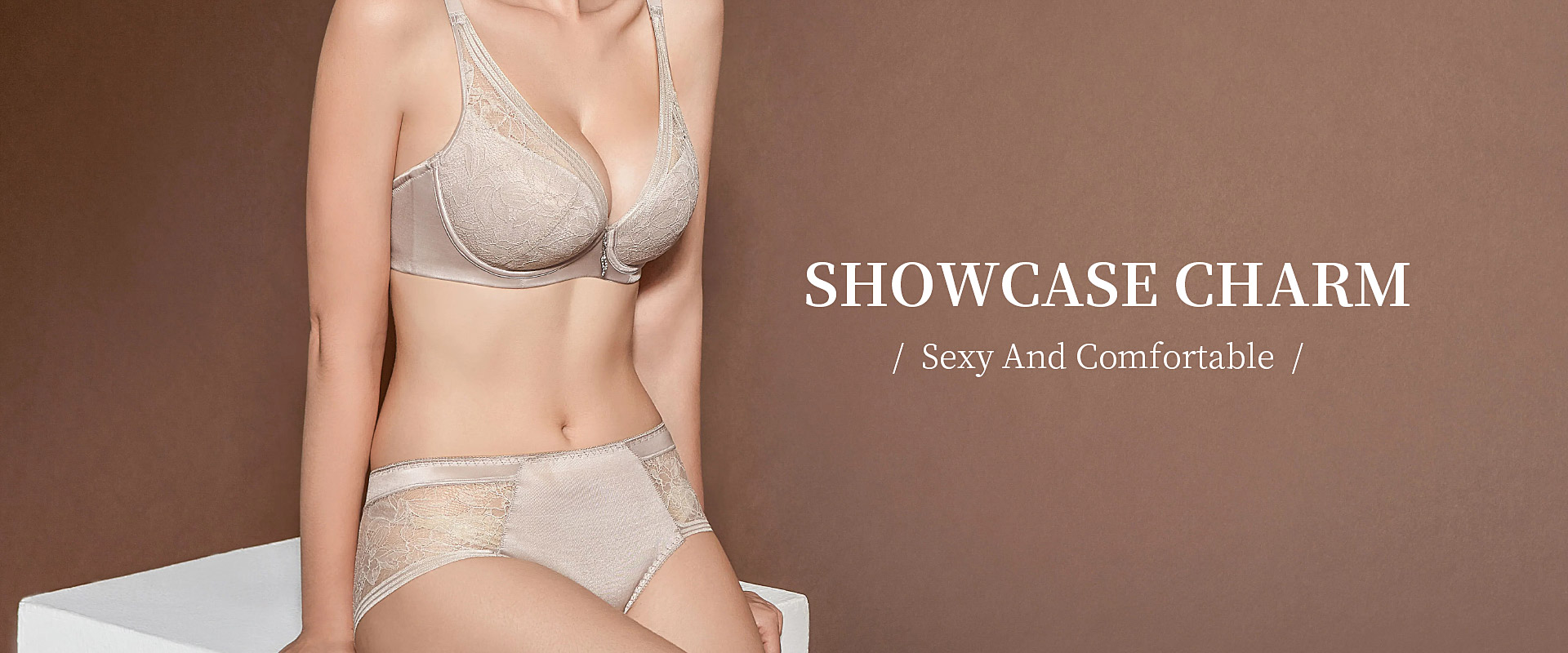
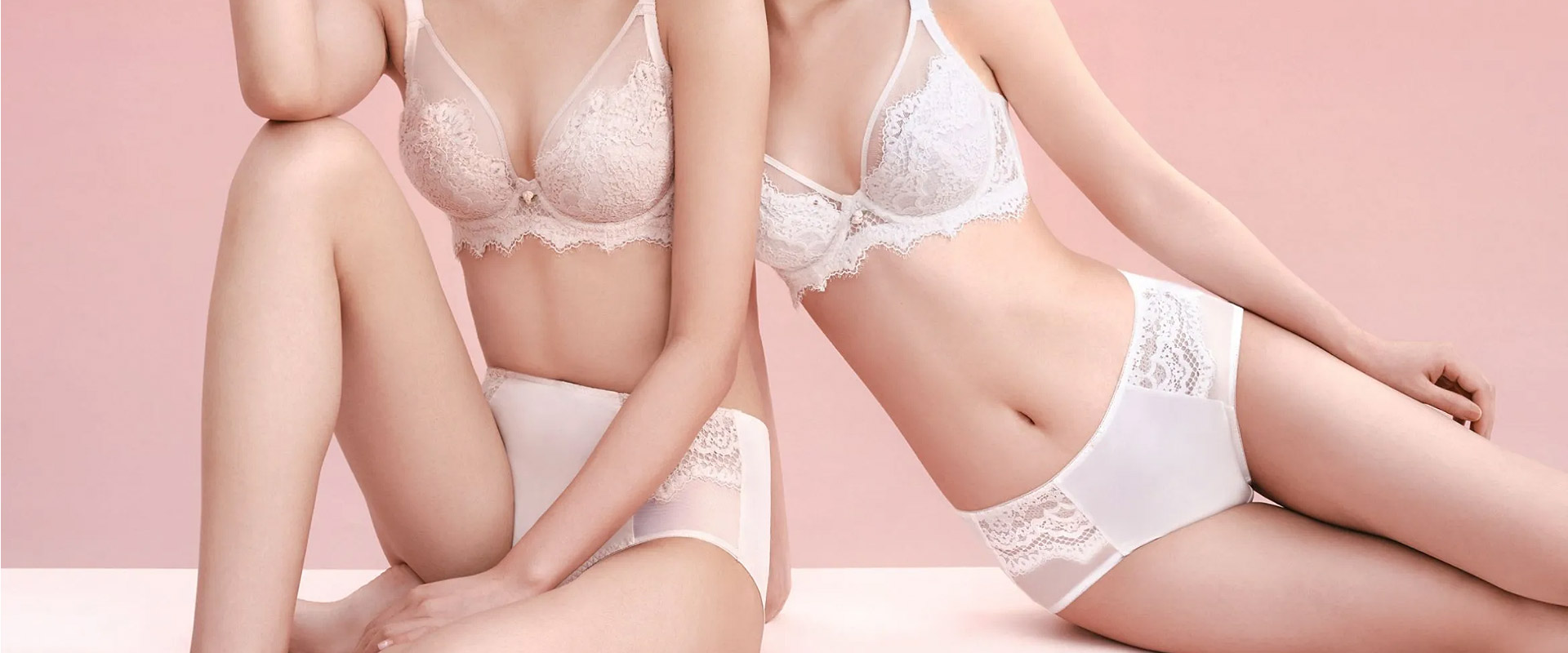

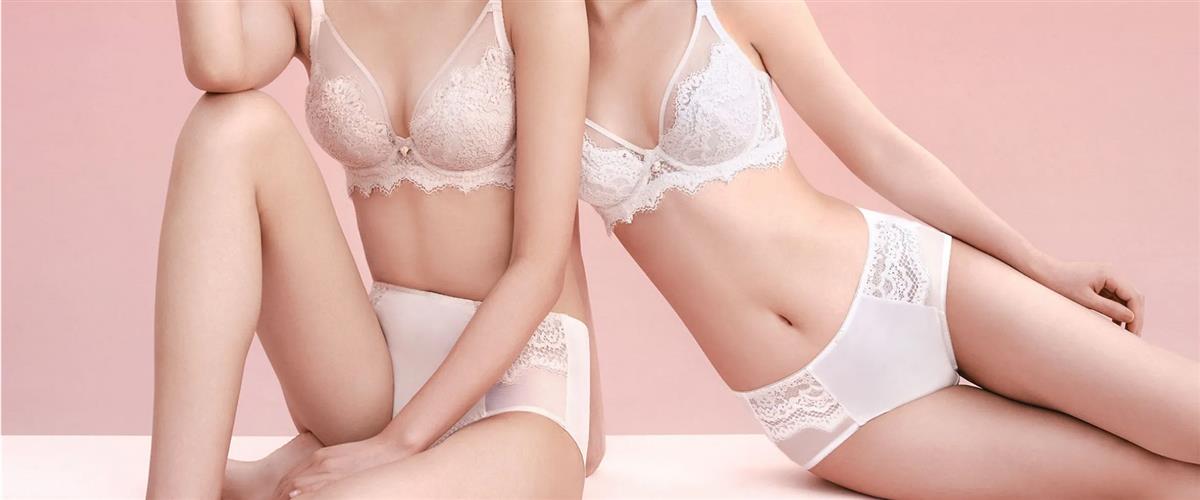






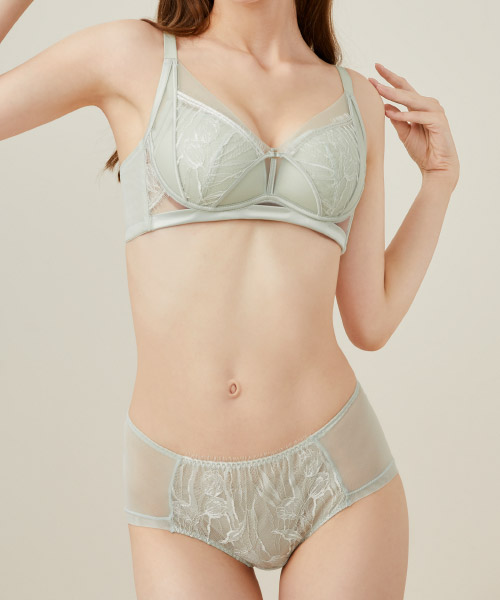
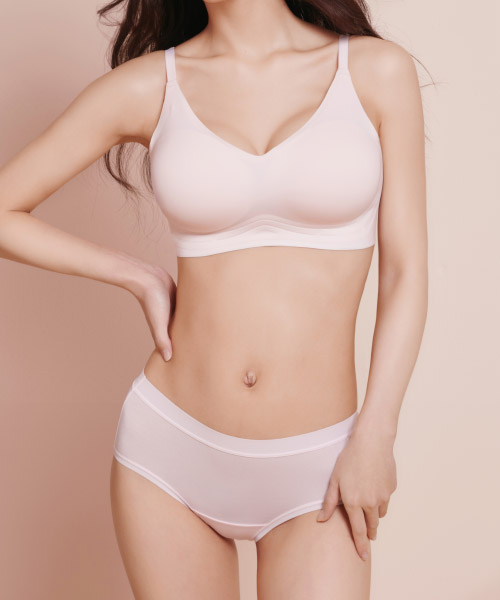
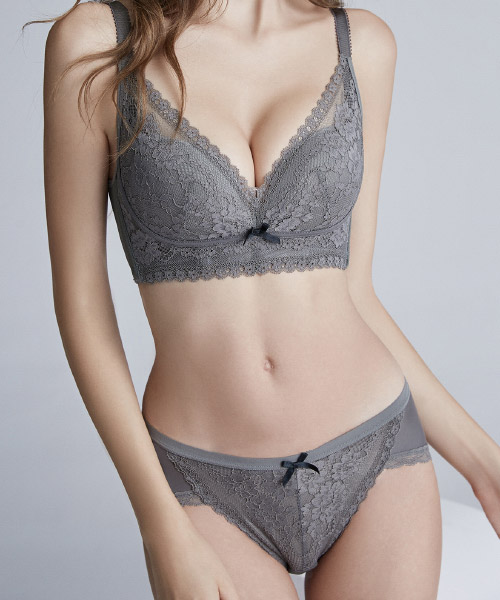

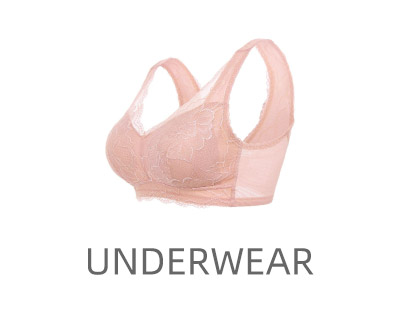
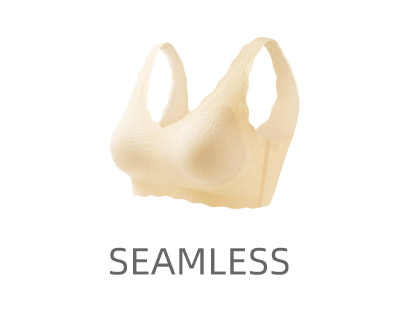
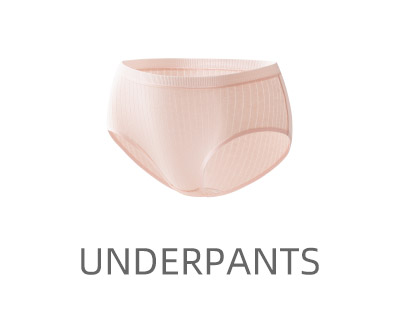
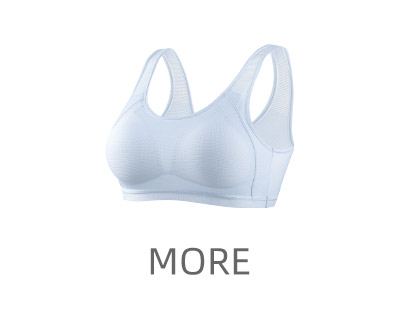

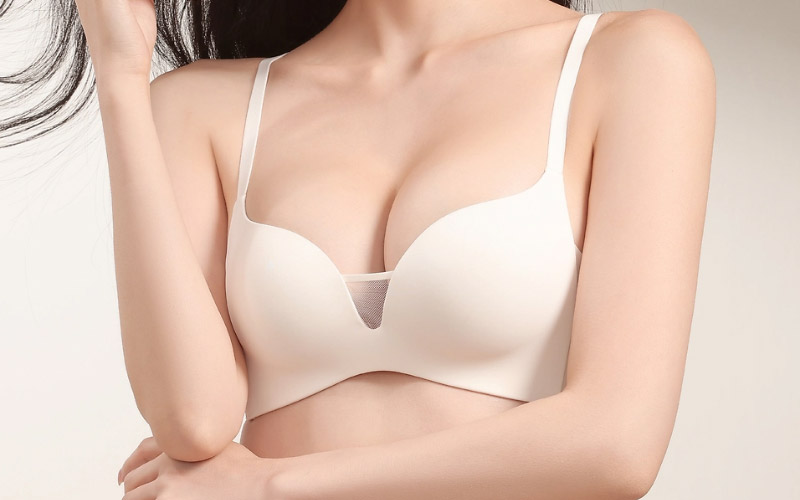
Classified by "style structure": differentiated based on the pattern and details of the underwear, affecting its support and adaptability1. Classified by cup size: determines chest coverage and support rangeFull cup size: covering the entire chest, providing the strongest support and wrapping around the accessory breasts. Suitable for women with full, sagging, or expanding breasts, it is suitable for both daily use and shaping scenarios.3/4 cup size: Covering 3/4 of the chest area, it has a good gathering effect and can enhance chest shape. It is suitable for most chest shapes and is the mainstream style of daily commuting underwear. It is also suitable for pairing with V-neck and round neck tops.1/2 cup (half cup): Covering 1/2 of the chest area, it has a prominent gathering effect and is suitable for women with small breasts or those who pursue a deep V-chest shape. It is often paired with low neck and deep V-neck outfits and has a low frequency of daily wear.Triangle cup: The cup has a triangular shape and is designed without a steel ring, providing high comfort but weak support. It is suitable for women with small breasts (A/B cup) who pursue a natural chest shape, and is often used as a sleep bra or summer thin underwear.2. Divided by shoulder strap design: affects fixation and fitConventional shoulder strap: Moderate width (1-2cm), adjustable length, good fixation, is the default design of most underwear, suitable for various daily outerwear.Wide shoulder strap: With a width exceeding 2cm, the shoulder strap has a large load-bearing area, which can reduce shoulder pressure and provide stronger fixation. It is commonly found in sports underwear and shaping underwear, and is suitable for people with full breasts or those who need high-strength support.Cross shoulder straps: The shoulder straps are designed to cross at the back, providing good fixation and reducing the risk of slipping during exercise. They are commonly used as sports or aesthetic underwear, and can also be paired with backless clothing to enhance the design sense.Strapless: With a strapless design, it is suitable for strapless, straight shoulder, and off shoulder outfits. Some parts have anti slip rubber strips or invisible hooks to prevent slipping, and the support is weak. It is not recommended for people with full breasts to wear it for a long time.3. Classified by the presence or absence of steel rings: affecting comfort and supportUnderwear with steel rims: containing metal or plastic steel rims, strong support, can stabilize chest shape, prevent sagging, suitable for women with full breasts (C cup and above) or shaping needs, but some people may feel restrained when wearing it, so it is necessary to choose the appropriate size.Underwear without a steel ring: Designed without a steel ring, it provides high comfort and a sense of freedom. It is suitable for wearing small breasts (A/B cups), pursuing daily comfort, or sleeping. It has weak support and should be carefully chosen for people with full breasts who exercise or wear it for a long time.Classified by "fabric material": affects wearing comfort, breathability, and durability1. Natural fabric: featuring "breathable+skin friendly", suitable for daily use and sensitive skinPure cotton: the most common natural fabric, soft and skin friendly, with good breathability and strong moisture absorption, suitable for sensitive skin, daily commuting, and sleeping wear. However, its elasticity is poor, and long-term wear may cause slight deformation. When washing, attention should be paid to avoiding shrinkage.Modal: Made of wood pulp fibers, it feels softer and smoother than pure cotton, has good elasticity, better moisture absorption and breathability than pure cotton, is not easily deformed, suitable for daily and sleep underwear, and has a high cost performance ratio. It is one of the mainstream underwear fabrics in recent years.Silk (mulberry silk): a high-end natural fabric with a smooth and delicate touch, excellent breathability and moisture absorption, and containing natural protein. It is skin friendly, but expensive, prone to snagging and deformation, and requires hand washing and care. It is mostly used as a high-end underwear or sleep underwear fabric.2. Synthetic fabric: focusing on "elasticity+durability", suitable for sports and shaping scenesNylon: Good elasticity, strong wear resistance, not easily deformed, often blended with other fabrics (such as nylon+spandex) to enhance the elasticity and durability of underwear. It is commonly used in sports underwear and shaping underwear, with average breathability and needs to be used with breathable fabrics.Spandex: With excellent elasticity, it can stretch to 5-8 times its original length and has good recovery. Almost all underwear will add spandex (usually 5% -20%) to enhance its elasticity and fit. It is rarely used alone and is mostly used as a blended fabric.Polyester fiber (polyester): It has strong wear resistance, is not easy to pill, is easy to clean, and dries quickly. It is commonly used in sports underwear and can quickly sweat out, but its breathability and moisture absorption are poor. Pure polyester fiber fabric is not suitable for long-term daily wear, and a blended version (such as polyester fiber+cotton) should be chosen.3. Blended fabric: Taking into account the advantages of multiple fabrics, it is currently the mainstream choice for underwearCotton+spandex: retains the skin friendly and breathable properties of pure cotton while increasing elasticity, avoiding the problem of easy deformation of pure cotton. It is suitable for daily commuting underwear and sleep underwear, with high cost-effectiveness and suitable for most people.Modal+Nylon: Combining the softness of modal with the durability of nylon, it has stronger elasticity and durability, and good breathability. It is commonly used in mid to high end daily underwear and light sports underwear.Silk+spandex: On the basis of the silky and skin friendly properties of silk, it increases elasticity, improves the fit of underwear, and reduces the problem of silk deformation. It is mostly used as a high-end underwear fabric, with a higher price and suitable for those who pursue quality.
10-14Knowledge

The core advantage of pure cotton underwear is * * "skin friendly, breathable, natural and safe" * *, especially suitable for people with sensitive skin and daily close fitting wear, showing outstanding comfort and health attributes.1. Extremely skin friendly, fits the body without irritationPure cotton fabric is made of natural cotton fibers, which are soft and delicate, and will not cause friction or pain when in contact with the skin.Friendly to sensitive skin: Compared to synthetic fabrics such as polyester and acrylic, pure cotton does not contain the irritating ingredients of chemical fibers, which can reduce skin allergies, itching, and other problems. It is particularly suitable for pregnant women, infants, and people whose skin is prone to redness.High Fit: Pure cotton fibers have a certain degree of flexibility and can naturally fit with body movements, without being stiff or tight like some fabrics. They can maintain comfort during daily wear, sleep, or light exercise.2. Good moisture absorption and breathability, keeping the skin dry and comfortableCotton fibers have a natural porous structure, which makes pure cotton underwear far superior to many synthetic fabrics in terms of moisture absorption and breathability.Strong moisture absorption ability: It can quickly absorb sweat and moisture on the surface of the skin, avoiding sweat staying on the skin surface for a long time and causing a sticky feeling, especially suitable for people in summer or those who are prone to sweating.Breathable without sweating: The absorbed moisture quickly evaporates through the pores of the fibers, keeping the interior of the underwear dry and reducing the possibility of bacterial growth due to stuffiness, and reducing skin discomfort or odor problems caused by stuffiness.3. Natural without chemical residues, higher safetyPure cotton belongs to natural plant fibers, and from raw materials to processing, it is easier to achieve "low chemical additives" compared to synthetic fabrics.Reduce chemical irritation: High quality pure cotton underwear does not require the use of large amounts of anti-static agents, fluorescent agents, and other chemical additives during production. Even if it comes into direct contact with intimate skin areas, it can reduce the health risks caused by chemical residues.Environmentally friendly and biodegradable: From an environmental perspective, pure cotton fabrics can naturally degrade after being discarded, and will not pollute the environment for a long time like synthetic fabrics. It is a more friendly choice for people who value green living.4. The fabric is stable and durable, and easy to wash and care forAlthough pure cotton underwear is not as durable as synthetic fabrics, it still has good durability and stability with proper care.Not easily deformed: High quality pure cotton fabric, after pre shrinking treatment, is not prone to significant shrinkage or deformation after washing, and can maintain the original shape of clothing for a long time, especially in the easily deformed parts of underwear such as collars and cuffs, which are more durable than fabrics with poor elasticity.Simple care: It can be directly machine washed or hand washed, with low detergent requirements. Ordinary neutral laundry detergent can be used for cleaning, and it is not easy to have problems such as pilling and snagging after drying (provided that it is not mixed with sharp objects).5. Good temperature regulation, suitable for wearing in all seasonsThe thermal conductivity of pure cotton fabric is moderate and can be naturally adjusted according to the ambient temperature, adapting to the wearing needs of different seasons.Summer coolness: The breathable and moisture absorbing properties allow for quick heat dissipation during summer wear, avoiding stuffiness;Winter insulation: The pores between fibers can store a certain amount of air, forming a natural insulation layer. When paired with outer clothing, it can reduce heat loss and will not have a "cold and hard feeling" like synthetic fabrics.
10-14Knowledge
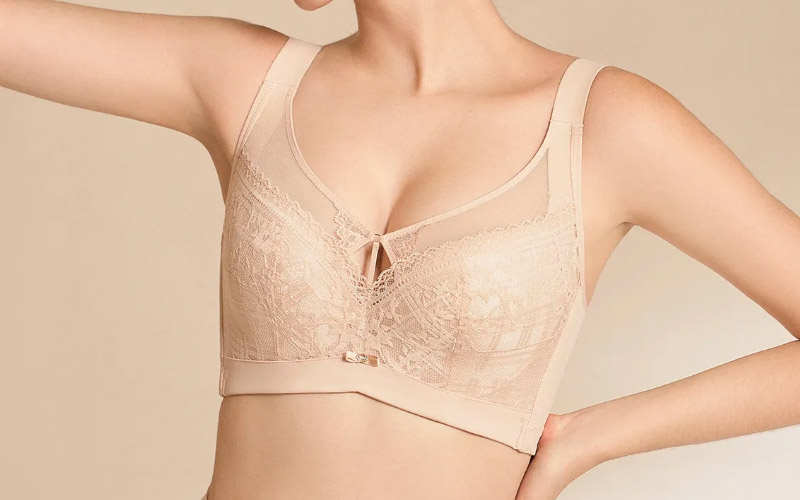
The core of proper placement of underwear is "classified storage, dry and breathable, away from pollution". It is necessary to avoid bacterial growth, prevent fabric deformation or snagging, and extend the wearing life.1. Before storage: Make two key preparationsThe pre-treatment before storage directly affects the hygiene status of underwear, and these two steps are essential.Thoroughly clean+completely dryUnderwear specific detergent must be used for hand washing or machine washing. When washing, it should be placed in a dedicated laundry bag to avoid irritation to the skin caused by residual ordinary laundry detergent.After washing, it should be placed in a ventilated and cool place to dry completely. It is forbidden to store it in a damp state. A humid environment is a breeding ground for mold and bacteria, and long-term storage can produce odors and may also cause skin problems.Simple organization+avoiding damageUnderwear: Gently smooth out the folds of the cup, store the shoulder straps inside the cup, or secure them with specialized shoulder strap buckles to avoid deformation caused by entanglement and pulling of the shoulder straps; Underwear without a steel ring can be gently folded in half, while underwear with a steel ring should be kept in its original state as much as possible to reduce the stress on the steel ring.Underwear: After washing and drying, gently fold it in half with the crotch facing inward to avoid direct exposure to dust; If it is lace or lightweight fabric, do not rub or squeeze it forcefully to prevent snagging or fabric damage.2. When storing: Master 3 core principlesChoosing appropriate storage tools and methods can maximize the protection of the hygiene and form of underwear.Tool selection: prioritize "breathable" storage productsDifferent storage tools are suitable for different scenarios, and can be flexibly selected according to the type of underwear and wardrobe space:Fabric drawer partition box: With high breathability, it can be clearly classified and separated. The material is soft and does not hook the fabric of underwear, but its moisture resistance is average. Regular cleaning of the box body is required, making it suitable for daily storage of underwear, underwear, and socks separately.Hollow out plastic storage box: It has better moisture resistance than fabric boxes, and the contents are clear at a glance. When cleaning, simply rinse with water. However, some plastic edges may be sharp, so it is important to check for any snagging. It is more suitable for placing in damp areas of wardrobes or storing underwear specifically.Hanging underwear rack: does not occupy drawer space, can keep underwear in its natural shape, avoid squeezing and deformation, especially suitable for steel ring underwear and gathered underwear, but the shoulder straps may slip off during use and need to be adjusted regularly to fix the position.Special underwear storage bag: It has strong portability, can prevent dust and moisture, and is suitable for carrying underwear during business trips and travels. However, its capacity is limited and it is not suitable for long-term daily storage of large amounts of underwear.Placement method: "Classification+Partition" to avoid confusionClassified by "type": Store underwear (bra), panties, and undergarments completely separately, such as placing underwear on the top and underwear on the bottom of drawers, to avoid mixing different clothes and causing bacterial cross contamination; If underwear has different functions, such as sports underwear and daily commuting underwear, it can be further subdivided to facilitate quick and easy finding of the desired style.Divided by "wearing frequency": Frequently worn underwear should be placed on the outside of drawers or in prominent positions on hanging shelves to reduce searching time; Spare items that are not frequently worn or styles worn for special occasions should be placed inside drawers or deep in storage boxes to avoid frequent flipping and damage to clothing.Special placement of underwear: For underwear with steel rims, it is recommended to "stand up" and place the cup side against the edge of the drawer to maintain its natural shape and avoid deformation caused by stacking and squeezing the steel rims; Underwear without steel rims can be "laid flat" or "folded lightly" and placed in a divider to ensure that the cups do not collapse and maintain a snug fit when worn.Environmental requirements: Keep away from "humid+polluted" areasStay away from water sources and damp places: Wardrobes should be kept away from areas that are prone to moisture, such as bathrooms and balcony faucets, to prevent underwear from absorbing moisture and becoming moldy; If the wardrobe itself is damp, 1-2 packs of silicone moisture-proof agent can be placed in the corner and replaced regularly to keep the interior dry.Avoid getting close to sources of pollution: Do not place underwear in the same drawer or wardrobe space as outerwear, shoes, and other external clothing. External clothing can be contaminated with external dust and bacteria, which can easily transfer to underwear; If using aromatherapy in the wardrobe, choose non irritating natural aromatherapy and do not let the aromatherapy come into direct contact with underwear to avoid residual fragrance that can irritate the skin.3. After storage: perform 2 regular maintenance tasksStorage is not a one-time solution, regular inspection and cleaning can continuously maintain the hygiene of underwear.Regularly check the condition of underwear: When tidying up the wardrobe every week, also check if there is any mold, odor, or fabric damage in the underwear. If it is slightly moldy, it can be cleaned and dried again, and if it is severely damaged, it should be replaced in a timely manner; Especially underwear, it is recommended to replace it every 3-6 months. Even if the appearance is intact, the crotch fabric may still breed bacteria and affect health.Regularly clean storage tools: Fabric storage boxes, hangers, etc. should be cleaned once a month. Fabric boxes can be disassembled and washed or wiped with a damp towel before drying. Plastic boxes should be rinsed with clean water and dried to avoid dust or bacteria from contaminating underwear.4. Avoiding pitfalls reminder: 3 common mistakes not to makeDo not forcefully stack underwear, especially those with steel rims. Long term compression can cause deformation of the steel rims and collapse of the cups, affecting the comfort and support of wearing; Tight stacking of underwear may also allow bacteria to grow in the crotch fabric.Do not store in damp conditions: Directly storing underwear that has not been completely dried after washing is the main cause of mold growth. Long term use of such underwear may cause skin itching, allergies, and other problems.Do not store underwear together with socks, shoes, etc., as bacteria from socks and shoes can easily transfer to underwear, increasing the risk of infection; Even clean outerwear is recommended to maintain a certain distance from underwear, such as using dividers to separate them.
10-14Knowledge
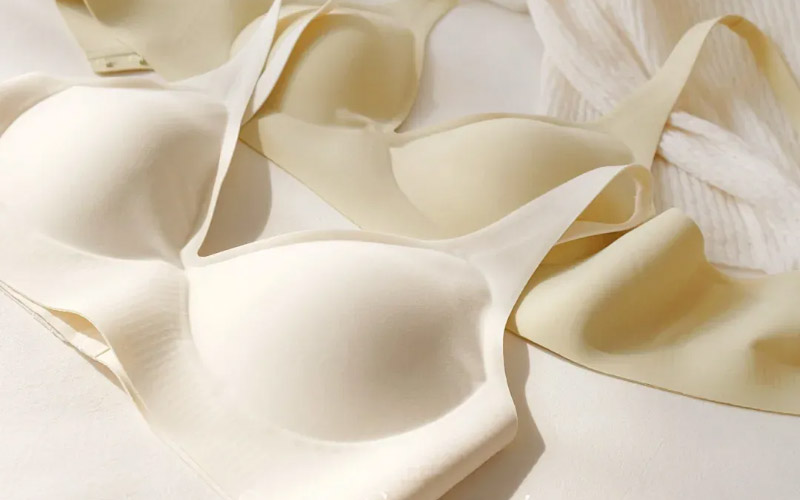
The frequency of changing underwear depends on multiple factors, including material, wearing frequency, cleaning and maintenance methods, etc. Here are some suggestions to help you determine when to replace your underwear:Material and quality: The material and quality of underwear have a significant impact on the frequency of replacement. Some high-quality underwear is made of durable, washable, and deformation resistant materials that can last longer. Low quality underwear may be more prone to wear and deformation and require more frequent replacement.Wearing frequency: The frequency of wearing underwear will also affect its replacement frequency. If you need to wear underwear every day, the wear and deformation of underwear may be faster and require more frequent replacement. On the contrary, if you rarely wear underwear or only wear it occasionally, the lifespan of underwear may be longer.Cleaning and maintenance methods: Proper cleaning and maintenance methods can extend the service life of underwear. It is recommended to clean underwear promptly after each wear to avoid prolonged storage or accumulation for cleaning. Meanwhile, using mild detergents and hand washing methods can reduce the wear and deformation of underwear.Generally speaking, the lifespan of underwear is around 6 months to 1 year. If there are problems such as deformation, wear, fading, or damage to the underwear, it should be considered to replace it with a new one. In addition, from a hygiene and health perspective, it is recommended to change underwear every 3 months to reduce the risk of bacterial growth and infection.In short, the frequency of changing underwear depends on multiple factors and needs to be judged based on one's actual situation. When choosing underwear, it is recommended to choose high-quality, comfortable, and durable underwear, and clean and maintain it correctly to extend its service life.
10-14Knowledge


Copyright: Shantou Artwear Underwear Factory Support: 11400.cc
Copyright: Shantou Artwear Underwear Factory Support: 11400.cc